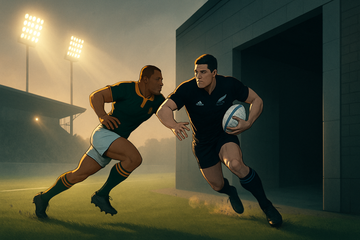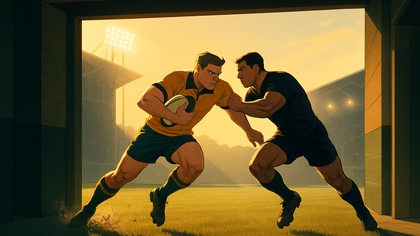
There’s something timeless about the Bledisloe Cup, steeped as it is in decades of rugby lore, matching and perhaps even surpassing recent rugby rivalries in its intensity and historical gravitas. For those hailing from the down-under of the 1980s onward, New Zealand’s arch-rivals were indisputably seen as the Wallabies, not the Springboks, marking a significant shift in regional rugby dynamics.
The Wallabies’ golden era started post their 1984 Grand Slam victory, a triumph that propelled them into rugby’s elite circles. Claiming the Bledisloe Cup in 1986 marked the beginning of an intense competitive phase against the All Blacks, although they briefly lost the trophy in 1987. Throughout the next decade and a half, they seriously contested the All Blacks, winning the coveted cup several times in the 1990s and securing two World Cup titles in the same decade. This period cemented their position as a burgeoning force in international rugby.
Meanwhile, the Springboks' return from international isolation in the early 90s rekindled historic rivalries but initially fell short of supplanting the Wallabies as the All Blacks' principal antagonists. However, the creation of the Tri-Nations in 1996, later rebranded as The Rugby Championship in 2012, formalized the South Africans as formidable rivals. Despite this, the Bledisloe Cup continued to hold a special place in the hearts of the All Blacks, recognized annually by players and coaches alike as their most cherished trophy, second only to the World Cup.
Rugby's commercial landscape evolved dramatically with the initiation of Rugby's Greatest Rivalry (RGR), a collaboration between New Zealand and South Africa which has proven to be a commercial bonanza, drawing unprecedented fan engagement and financial returns, indicating a dynamic shift in the sports' spectator and fiscal appeal. Such ventures underscore the evolving importance of marketing in modern sports, transcending traditional rivalries like that epitomized by the Bledisloe Cup.
The recent RGR series not only flourished financially but also captivated audiences with matches filled with tactical ingenuity, individual brilliance, and brutal confrontation, epitomizing the essence of top-tier rugby. Sean Fitzpatrick, a former All Blacks captain, remarked on the series’ vibrancy and its reflection of the deep-seated respect between the two nations:
"It has been commercialised, but this is fantastic. There's an appetite for it, clearly. This is big time. It’s quite nostalgic as well, and that’s where the respect lies. The similarities rather than the differences."
The successful integration of the Bledisloe Cup into this broader competitive framework — including plans for more fixtures, even potentially in the USA — suggests an ambitious future. This strategic expansion speaks to New Zealand Rugby's vision of cultivating rugby fervor globally while elevating the game's profile.
However, the Wallabies' recent underwhelming performance against the All Blacks raises questions about the future intensity of the Bledisloe rivalry. The real test lies ahead, with Australia needing to overturn a long stretch of losses to restore competitiveness to this historic rivalry, especially as they prepare to host the upcoming World Cup.
The Bledisloe Cup’s enduring appeal amidst the rise of new commercial sports enterprises like RGR underscores the complex interplay of tradition and innovation in modern rugby. As the sports world evolves, maintaining the intrinsic appeal of such historic contests will be crucial for the game’s integrity and its fans.