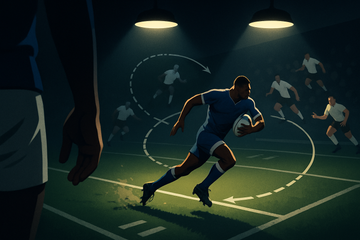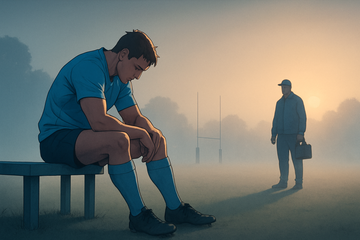
The match in Perth saw both teams fiercely competing, but the abundance of cards issued turned the game's closing phase into less of a rugby showcase and more of a survival test for the 11-man Australian squad. Captain Harry Wilson and centre Hunter Paisami received yellow cards for high tackles, while scrum-half Ryan Lonergan and back Joseph Suaalii were penalized for professional fouls. Particularly controversial were the high tackle incidents involving Malcolm Marx and Sacha Feinberg-Mngomezulu, the latter also facing a citation post-match.
"How can we allow a game to degenerate because of head knocks? It’s not a fair contest at 11 people versus 15. It’s just ridiculous. It’s embarrassing to watch,"
Hansen argued on the Rugby Unity podcast. He stressed that the referee, Andrea Piardi, was merely following the World Rugby’s protocols and shouldn't be blamed directly. Yet, Hansen's frustration was palpable as he discussed the broader implications of such officiating standards on the sport's appeal.
"The sad thing is the ref will be getting told he did a great job because he stuck to the protocols. We can’t blame him; we’ve got to look at the protocols because it’s not right,"
Hansen elaborated, pointing out the disconnect between the current refereeing protocols and the dynamic nature of rugby. Ewen McKenzie, former Wallabies head coach, echoed these sentiments, criticizing the communication failures that exacerbated the officiating woes during the game's critical moments.
Both Hansen and McKenzie advocate for a review system similar to rugby league's, where incidents are put 'on report' rather than causing immediate in-game sanctions. This, they argue, would maintain the flow and competitiveness of the match while still upholding player safety by addressing potential infractions retrospectively.
Hansen also highlighted a less discussed aspect of the frequent in-game sanctions - the increased risk of further head contacts as teams reduced in numbers defensively scramble to cover more ground. He suggested this could potentially lead to more severe outcomes than those the rules intend to prevent.
As rugby union evolves, the calls for adjustments in the handling of in-game infractions grow louder, spearheaded by experienced voices like Hansen's. The balance between player safety and maintaining the integral elements of rugby as a contact sport remains a hotly debated topic. This latest match has only intensified the discourse surrounding how the game is regulated and presented to the world.