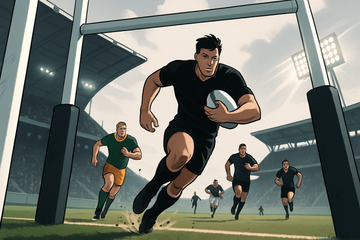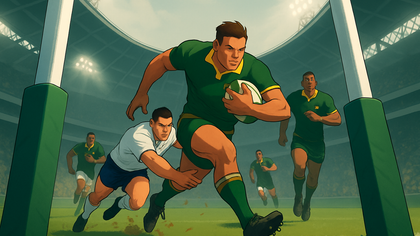
World Rugby has decided to ban the use of 'hip drop' and 'knee drop' tackles following an extensive review that highlighted their potential dangers. Both these tackling techniques, which involve a player dropping their weight onto the legs or knees of an opponent, have been increasingly scrutinized due to the injuries they can cause.
The sport's governing body took action after the Shape of the Game conference in February, where the urgent need to address these dangerous techniques was discussed. An expert group dedicated to tackle heights analyzed the moves and pushed for a change, advocating for clearer regulations and stricter enforcement during games.
Brett Robinson, the Chair of World Rugby, expressed his gratitude towards the national rugby unions for bringing this issue to light. He shared, "We’re grateful to unions for raising the issue of these types of tackle with us. My thanks go to the working group and wider World Rugby team for the speed and breadth of their research and analysis," emphasizing how these changes reflect a global commitment to player safety.
"Protecting player welfare is at the heart of everything that World Rugby does and once we’d reviewed the analysis we’ve acted quickly to ensure that dangerous tackles of this nature are removed from the game, starting this weekend."
The issue gained prominence partly due to a serious injury to South Africa's Elrigh Louw, who was sidelined for ten months after a 'hip drop' tackle resulted in significant damage to his leg. World Rugby's swift response to ban these tackles was catalyzed by this incident and others like it involving high-profile players, highlighting the risks associated with these maneuvers.
Despite not all knee drops being deemed unsafe, the new amendment aims to eliminate any ambiguity about tackling from the ground, which is technically illegal. This adjustment should enhance clarity for players, coaches, and referees, making it easier to enforce penalties when these rules are violated.
Rob Kearney, a former Ireland star and representative of the International Rugby Players Association, commented on the adaptation process that teams will have to undergo. "While a change of this nature can be challenging to manage in the short term as players, coaches and match officials adjust, this decision has been taken to protect players from potential serious injury, and that’s the right thing to do," he said.
The implementation of these rule changes was influenced by the feedback and incidents involving players like Elrigh Louw and Wallabies' Max Jorgensen, who also suffered from an injury due to a 'hip drop' tackle. Their experiences underscore the critical need for such reforms in the sport.
World Rugby's decision to outlaw these tackles starting November 1st indicates a proactive stance in prioritizing player welfare and adapting the rules of the game to enhance safety. The new regulations will be a significant adjustment for the rugby community, but they are a crucial step towards reducing the likelihood of serious injuries on the field.